
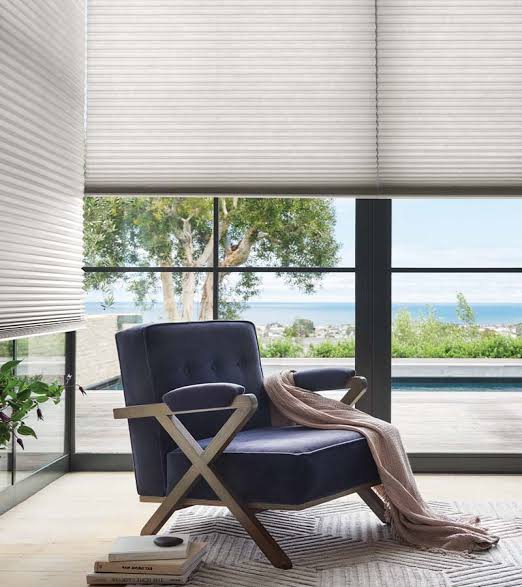
When to Start Planning Motorized Shades for Your Greenville New Construction
If you are building a new home in Upstate South Carolina, the best time to plan your motorized shades is before drywall goes up. That single decision determines whether your wiring runs cleanly inside walls or requires visible conduit later. With Greenville’s intense summer sun bearing down on south-facing rooms from May through September, early planning means your shades can start blocking UV rays and reducing AC strain from day one of occupancy.
Motorized shades Greenville SC homeowners install during construction typically cost less to wire than retrofit projects, and the finished look is seamless. Made in the Shade Upstate South Carolina works directly with builders and homeowners throughout the Augusta Road Corridor, Hollingsworth Park, and other growing neighborhoods to coordinate shade installation with your construction timeline.
Why does timing matter so much here? Duke Energy Carolinas bills spike during July and August when air conditioners fight against solar heat gain. Shades programmed to close automatically during peak sun hours reduce that load before it starts. The sooner you plan, the sooner you benefit.
Phase One: Pre-Drywall Planning and Wiring Decisions
Coordinating with Your Builder
Your builder’s electrical contractor needs to know which windows will have motorized shades before running wire. This is the coordination window, typically lasting one to two weeks in a standard Greenville new construction timeline. During this phase, you will identify every window that needs a power source for motorized operation.
For homes in the Modern Craftsman style common to new developments near Falls Park on the Reedy, large picture windows and transoms are prime candidates for motorization. These windows are often high, hard to reach, and face south or west where afternoon sun creates the most heat gain. A dedicated outlet behind the shade bracket keeps cords invisible and power reliable.
Battery Power vs. Hardwired Systems
Not every window requires hardwiring. Battery-powered motorized shades have improved dramatically, with some lasting a year or more between charges depending on usage frequency. However, for large shades, heavy fabrics, or windows you plan to automate on daily schedules, hardwired power remains the more dependable choice.
Your planning checklist for this phase should include:
- Identifying south-facing and west-facing windows (highest heat exposure)
- Measuring rough opening dimensions for each window
- Deciding which rooms need daily automation versus occasional use
- Confirming smart home integration requirements (voice control, app control, or both)
- Scheduling a site visit with Made in the Shade Upstate South Carolina before electrical rough-in
Phase Two: Choosing Your Motorized Shade System During Selections
Matching Fabric to Greenville’s Climate Challenges
Upstate South Carolina summers test every window in your home. The sun angle here means south-facing glass absorbs substantial heat for most of the day, and unprotected furniture, flooring, and artwork fade faster than homeowners expect. Your fabric choice directly affects how much heat your shades block and how long your interior finishes last.
Consider these fabric categories for energy efficient shades new construction projects:
| Fabric Type | Light Control | Heat Reduction | Best Use |
|---|---|---|---|
| Solar Screen (5% openness) | View-through with glare reduction | Moderate | Living rooms, offices with screens |
| Solar Screen (1% openness) | Reduced view, strong glare control | Good | Media rooms, bedrooms with daytime sleepers |
| Blackout Cellular | Complete darkness | Excellent | Bedrooms, nurseries, home theaters |
| Light Filtering Cellular | Soft diffused light | Very Good | Living areas, dining rooms |
The cellular construction in blackout and light-filtering options creates an insulating air pocket that reduces heat transfer through the glass. This matters for your Duke Energy Carolinas bill and for keeping rooms comfortable without constantly running the AC.
Smart Integration Options for Transitional Homes
The transitional new construction style popular in Greenville blends traditional warmth with clean modern lines. Smart window shades Upstate SC homeowners choose for these homes typically connect to existing smart home ecosystems. You can control shades through voice commands, smartphone apps, wall keypads, or automated schedules that respond to sunrise and sunset times.
Integration options worth discussing during your consultation include:
- Voice control through popular smart assistants
- Geofencing that closes shades when you leave and opens them when you return
- Sun-tracking schedules that adjust automatically as seasons change
- Scene programming that coordinates shades with lighting for movie night or morning routines
Made in the Shade Upstate South Carolina can walk you through which motors and control systems work best with your existing or planned smart home setup. Call (864) 651-3198 to schedule your free in-home consultation.
Phase Three: Installation Day and What to Expect
Professional Measurement Ensures Proper Fit
After your home reaches the trim and paint stage, precise measurement becomes possible. Even if you provided rough opening dimensions earlier, final measurements taken at the window itself account for any construction variances. This step prevents costly mistakes that occur when shades arrive too wide, too narrow, or at the wrong mounting depth.
Professional installers verify that the power sources roughed in during framing align with the final bracket positions. They also confirm that there is adequate mounting surface for the shade type you selected, especially important in the Modern Craftsman homes around Hollingsworth Park where decorative trim details can affect mounting options.
Installation Process for Automated Blinds Greenville Homes
A typical installation day for a whole-home motorized shade project takes four to eight hours depending on the number of windows. The process includes mounting brackets, hanging shades, connecting power, programming motors, and testing every function. Before leaving, your installer will demonstrate how to operate everything and answer your questions.
“The goal of professional installation is a finished product that looks like it was always part of the home, not an afterthought. That means hidden wires, level brackets, and shades that move smoothly and quietly every time.”
For homes near Fluor Field or anywhere in the Greenville metro area, same-week consultation availability means you can move quickly when your construction timeline accelerates.
Phase Four: Living with Motorized Shades Year-Round
Summer Heat Management
Once your motorized shades are installed, summer in Upstate South Carolina becomes more manageable. Program your shades to close before the hottest part of the day, typically between 1:00 PM and 5:00 PM when the sun sits low enough to penetrate deep into rooms. This proactive approach reduces the heat load your AC has to fight, potentially lowering your Duke Energy Carolinas bill during peak summer months.
South-facing rooms in the Augusta Road Corridor neighborhoods benefit especially from this strategy. The angle of summer sun here means unshaded windows can turn a comfortable living room into a greenhouse by mid-afternoon.
Winter Comfort and Energy Savings
The same shades that block summer heat can help retain warmth in winter. During cooler months, program your shades to open on sunny days and let solar heat warm your interior naturally. Close them at sunset to create an insulating barrier against cold night air. This seasonal adjustment is simple to automate and requires no manual intervention once programmed.
Long-Term Care and Maintenance
Motorized shades require minimal maintenance. Dust fabrics occasionally with a soft brush attachment. Check battery levels annually on battery-powered units. For hardwired shades, the motor should run reliably for many years with normal use. If you notice unusual sounds or hesitation during operation, a service call can address minor issues before they become larger problems.
Your Next Step: Schedule a Free Motorized Shade Consultation
Whether your Greenville new construction is at the foundation stage or nearing completion, Made in the Shade Upstate South Carolina can help you plan, choose, and install motorized shades that fit your home and your timeline. We serve homeowners throughout the Upstate South Carolina metro area, from established neighborhoods like the Augusta Road Corridor to new developments near Falls Park on the Reedy and Fluor Field.
Schedule your free in-home motorized shade consultation today. Call or text (864) 651-3198 for same-week availability and discover how smart window solutions can improve your comfort, protect your furnishings, and reduce your energy costs from the day you move in.
Frequently Asked Questions
How much do motorized shades cost for a typical Greenville new construction home?
Pricing varies based on window count, shade size, fabric selection, and motor type. A whole-home project for a three to four bedroom house generally ranges from several thousand dollars to significantly more depending on customization level. Contact Made in the Shade Upstate South Carolina for a detailed quote based on your specific windows and preferences.
Can I add motorized shades after my home is finished?
Yes. While pre-wiring during construction offers the cleanest installation, battery-powered and plug-in motorized options work well for retrofit projects. These alternatives provide the same smart home integration and convenience without opening walls.
Do motorized shades work during power outages?
Battery-powered shades continue operating without grid power. Hardwired shades may include battery backup options depending on the motor system. Most motorized shades also offer manual override capability for emergency situations.

